








How to Select a Frequency Converter: Assessing Overload and Protection Features
How to Choose the Right Frequency Converter: Evaluating Overload and Protection Features
In any industrial setting, where machinery and equipment need to run efficiently and safely, selecting the right frequency converter is crucial. But choosing the right one isn’t just about matching the motor power ratings with the converter’s capabilities—it’s about understanding the protection features. Overload protection is one of the most important factors that ensure your motor and equipment run smoothly and avoid costly damage. In this article, I’ll guide you through how to assess overload protection and other key features when selecting the right frequency converter.
What is a Frequency Converter and Why is It Important?
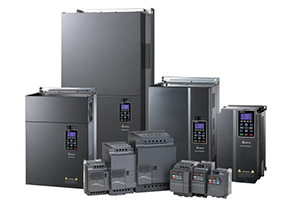
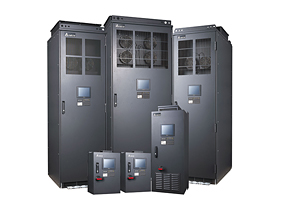
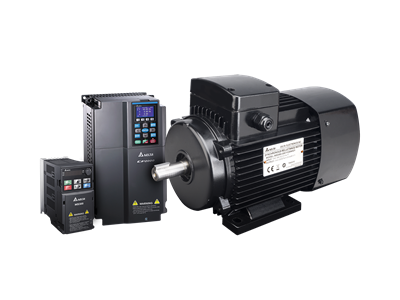
A frequency converter is an electrical device used to control the speed of a motor by changing the frequency of the electrical power supplied to it. This is essential for many industries, including manufacturing, HVAC systems, and material handling. A solid-state frequency converter, for example, is known for being highly efficient and reliable, while industrial frequency converters are designed for demanding applications that require robust protection features.
By controlling the motor speed through frequency adjustments, these devices help save energy, extend equipment life, and improve overall system efficiency. But the key to making the most of a frequency converter lies in selecting one with the right protection features.
Key Steps to Selecting the Right Frequency Converter
Choosing a frequency converter requires considering more than just the technical specifications. Here’s how I approach the selection process:
- Match Power Ratings: Ensure the converter can handle the motor’s rated power. An undersized converter could lead to overheating, causing failure.
- Determine Load Type: Understand whether the motor will handle a constant load or a variable load. For variable loads, a VFD frequency drive converter is often necessary.
- Consider Environmental Conditions: Check if the converter can operate effectively in your environment. High temperatures, humidity, and exposure to dust or chemicals can affect performance.
Why Overload Protection is Essential
When selecting a frequency converter, one of the most critical factors is its overload protection. Overload protection prevents the motor from running beyond its rated capacity, which can cause it to overheat or fail prematurely. A reliable converter will shut off power to the motor if an overload condition is detected, ensuring it remains protected.
Overload protection typically comes with the following features:
- Overload Alarms: These warn the operator when the motor is nearing its maximum load, giving them the chance to make adjustments.
- Automatic Shutdown: If the motor exceeds its rated capacity, the converter will automatically cut off the power to prevent damage.
- Automatic Recovery: Once the overload condition has been resolved, the converter will restart the motor, minimizing downtime.
I recall a project where we chose a voltage frequency converter with built-in overload protection for an automated manufacturing line. The protection features saved the motors from damage caused by sudden load fluctuations, which are common in high-demand environments.
Additional Protection Features You Should Consider
While overload protection is critical, a good frequency converter should also provide additional protection against other potential risks:
- Overvoltage Protection: This ensures that power surges don’t damage the motor by cutting off power when the voltage exceeds safe levels.
- Undervoltage Protection: It prevents the motor from running in unsafe conditions when the voltage is too low, which could cause damage or reduced performance.
- Overcurrent Protection: Protects the motor and the converter by cutting off the power if the current exceeds a safe threshold.
- Short-Circuit Protection: This automatically disconnects power if a short circuit is detected, preventing equipment damage and fire risks.
Comparison of Protection Features
| Protection Feature | Purpose | Ideal for |
|---|---|---|
| Overload Protection | Protects against excessive load | High-demand applications |
| Overvoltage Protection | Shuts down the motor during voltage surges | Environments with unstable power |
| Undervoltage Protection | Prevents motor damage from low voltage | Areas with frequent voltage drops |
| Overcurrent Protection | Cuts power if the current exceeds safe levels | Sensitive equipment or high-power systems |
| Short-Circuit Protection | Disconnects power to prevent system damage | Fault-prone systems |
Tailoring Your Frequency Converter to Your Needs
Selecting the right frequency converter is essential to the smooth functioning of your equipment. For example, if you need to convert 50Hz power to 60Hz, you will need a 50Hz to 60Hz frequency converter. On the other hand, applications that require high-frequency power, such as aviation, will require a 400Hz frequency converter.
In more specialized fields, converters that offer features like frequency-to-voltage or frequency-to-current converters are necessary to achieve precise control over the motor’s performance.
Common Mistakes to Avoid
Here are a few common mistakes people often make when selecting a frequency converter:
- Undersizing the Converter: Opting for a converter that’s too small can lead to overheating and system failure.
- Ignoring Environmental Conditions: Not considering environmental factors, such as humidity or temperature, can shorten the converter’s lifespan.
- Overlooking Protection Features: Focusing only on power ratings and ignoring protection features like overload or short-circuit protection can leave your equipment vulnerable to damage.
Conclusion: Make the Right Choice for Your Motor
Choosing the right frequency converter is a crucial step in ensuring the efficiency, longevity, and safety of your equipment. Overload protection and other safety features should never be overlooked. By taking these factors into account, you can ensure that your motor operates smoothly and lasts longer.
Lead Generation Goal:
With the knowledge gained from this article, you now have a clear understanding of how to choose the best frequency converter for your industrial application. Choosing a converter with the right protection features will enhance both the efficiency and reliability of your equipment.